APIs
Api aggregation?
+
API aggregation merges data from multiple APIs into a
single
response.
Api authentication vs authorization?
+
Authentication verifies identity; authorization defines
access
permissions.
Api authentication?
+
API authentication verifies the identity of the client
accessing the
API.
Api authorization?
+
API authorization determines what resources or actions
an
authenticated client is allowed to access.
Api backward compatibility?
+
Ensuring that changes in API do not break existing
clients
using
older versions.
Api caching?
+
API caching stores responses temporarily to reduce load
and
improve
performance.
Api client?
+
An API client is a program or application that sends
requests to an
API and processes responses.
Api contract?
+
An API contract defines the expected request/response
format
headers
status codes and behavior.
Api cors policy?
+
CORS policy restricts cross-origin requests for security
allowing
only permitted domains to access the API.
Api deprecation?
+
API deprecation is the process of marking an API or
feature
as
obsolete and guiding clients to use alternatives.
Api documentation?
+
API documentation provides instructions endpoints
parameters
and
examples for using an API.
Api endpoint testing?
+
Endpoint testing verifies that each API endpoint
functions
correctly
and returns expected responses.
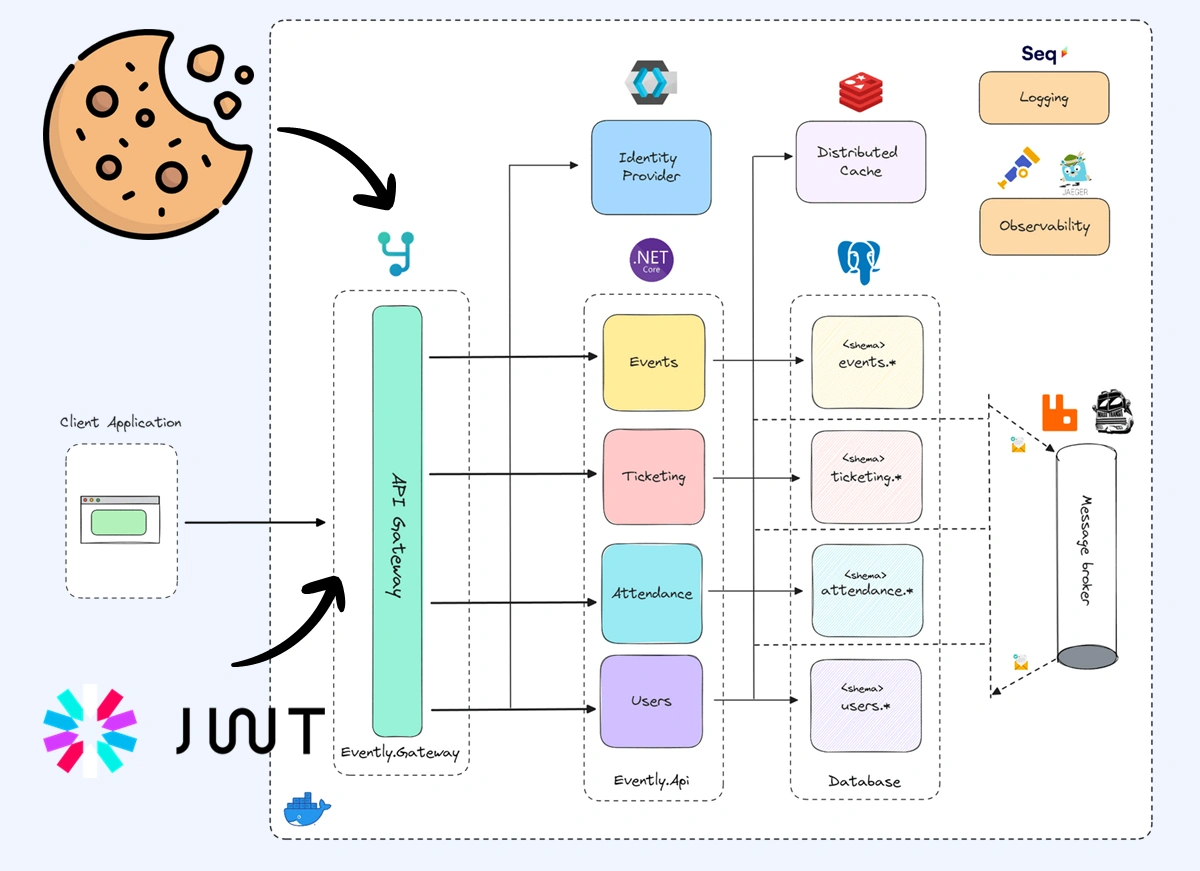
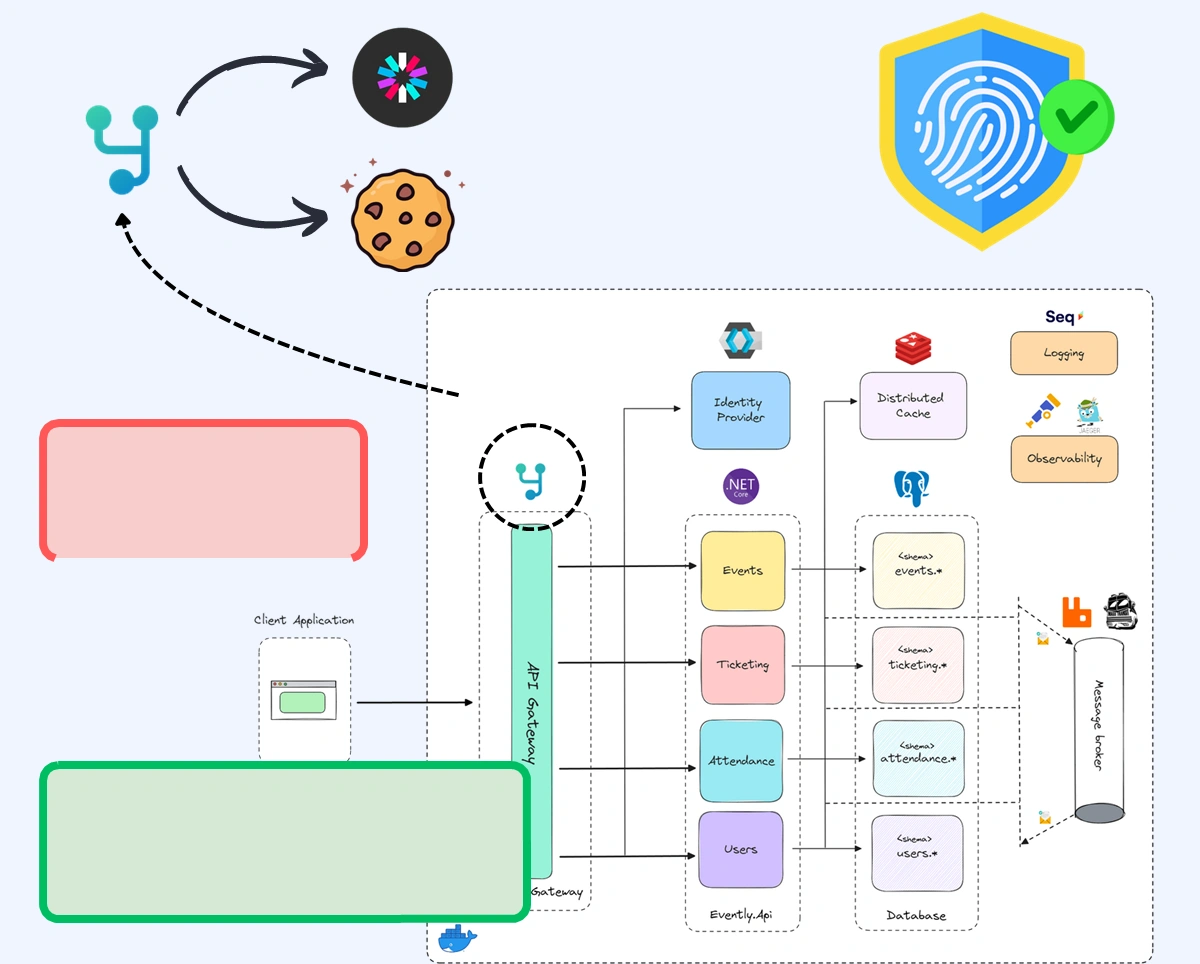
Api gateway?
+
An API gateway is a single entry point for multiple APIs
that handles
routing authentication and monitoring.
Api health check?
+
API health check monitors API status to ensure it is up
responsive
and functioning correctly.
Api idempotency key?
+
An idempotency key prevents duplicate processing of the
same
request.
Api latency?
+
API latency is the time taken for a request to travel
from
client to
server and receive a response.
Api lifecycle?
+
API lifecycle includes design development testing
deployment
monitoring versioning and retirement.
Api load balancing?
+
Load balancing distributes incoming API requests across
multiple
servers to ensure availability and performance.
Api logging?
+
API logging records requests responses and events for
debugging
auditing and analytics.
Api mocking?
+
API mocking simulates API responses without the actual
backend
implementation for testing purposes.
Api monitoring tool?
+
Tools like Postman New Relic or Datadog track API
performance uptime
and errors.
Api orchestration vs aggregation?
+
Orchestration coordinates multiple API calls to complete
a
workflow;
aggregation merges multiple API responses into one.
Api orchestration?
+
API orchestration combines multiple API calls into a
single
workflow
to complete complex tasks.
Api proxy?
+
An API proxy is an intermediary that forwards API
requests
to backend
services often used for security and routing.
Api rate limiting strategy?
+
Rate limiting strategies include token bucket fixed
window
sliding
window and leaky bucket algorithms.
Api rate limiting window?
+
Rate limiting window defines the time interval in which
the
maximum
requests are counted.
Api response time?
+
API response time is the duration between request
submission
and
response reception.
Api sandbox?
+
API sandbox is a testing environment that simulates API
behavior
without affecting production.
Api security?
+
API security protects APIs from unauthorized access
attacks
and
misuse.
Api server?
+
An API server handles incoming requests from clients
processes them
and returns responses.
Api testing?
+
API testing verifies that APIs work as expected
including
functionality performance and security.
Api throttling in cloud?
+
In cloud API throttling prevents excessive requests to
ensure fair
usage and system stability.
Api throttling limit?
+
Throttling limit defines the maximum allowed requests
per
time
window.
Api throttling pattern?
+
The throttling pattern limits excessive API calls to
prevent
system
overload.
Api throttling vs caching?
+
Throttling limits request rate; caching stores frequent
responses to
improve performance.
Api throttling vs quota?
+
Throttling limits request rate; quota defines maximum
allowed usage
over a longer period.
Api throttling vs rate limiting?
+
Throttling controls the number of requests over time;
rate
limiting
restricts requests per client or IP.
Api tokens?
+
API tokens are credentials used to authenticate and
authorize API
requests.
Api versioning best practice?
+
Best practice: include version in URL (e.g.
/v1/resource) or
header
to maintain backward compatibility.
Api versioning?
+
API versioning allows maintaining multiple versions of
an
API to
ensure backward compatibility.
Api?
+
An API (Application Programming Interface) is a set of
rules
that
allows software applications to communicate with each other.
Cors?
+
CORS (Cross-Origin Resource Sharing) is a security
feature
that
allows or restricts resource requests from different domains.
Diffbet rest and soap?
+
REST is lightweight stateless and uses HTTP; SOAP is
protocol-based
heavier and uses XML messages.
Diffbet synchronous and asynchronous apis?
+
Synchronous APIs wait for a response immediately;
asynchronous APIs
return immediately and process in the background.
Endpoint in apis?
+
An endpoint is a specific URL where an API can access
resources or
perform operations.
Explain api client sdk.
+
API client SDK is a prebuilt library that helps
developers
interact
with an API using language-specific methods.
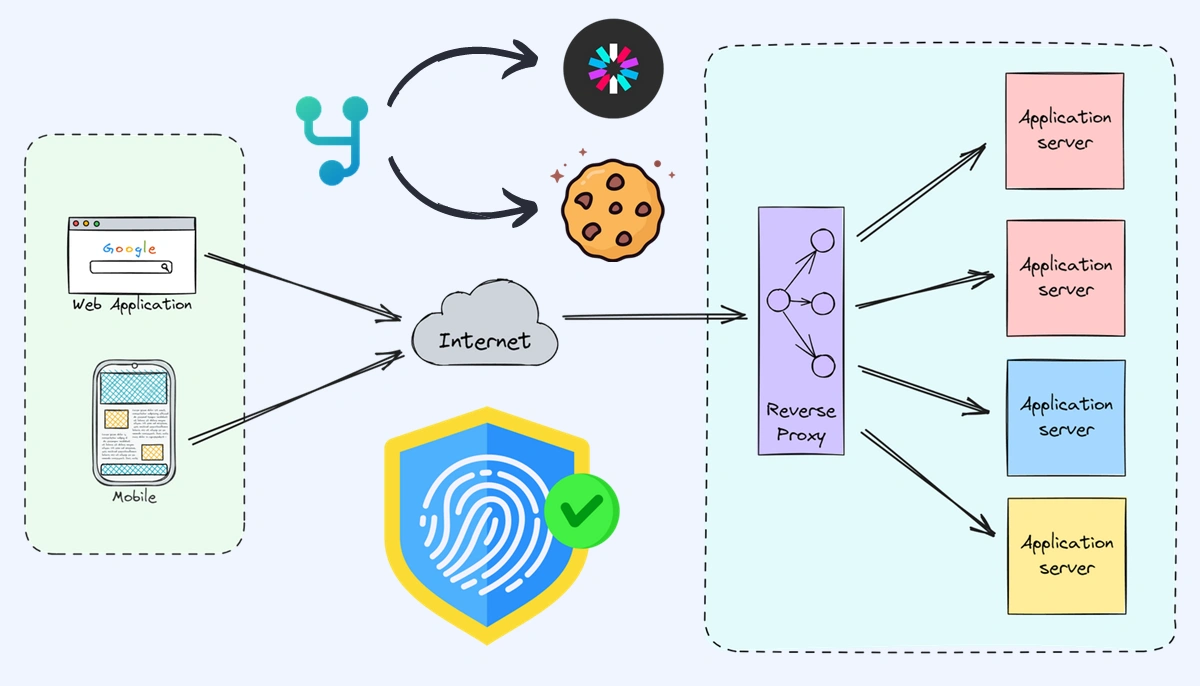
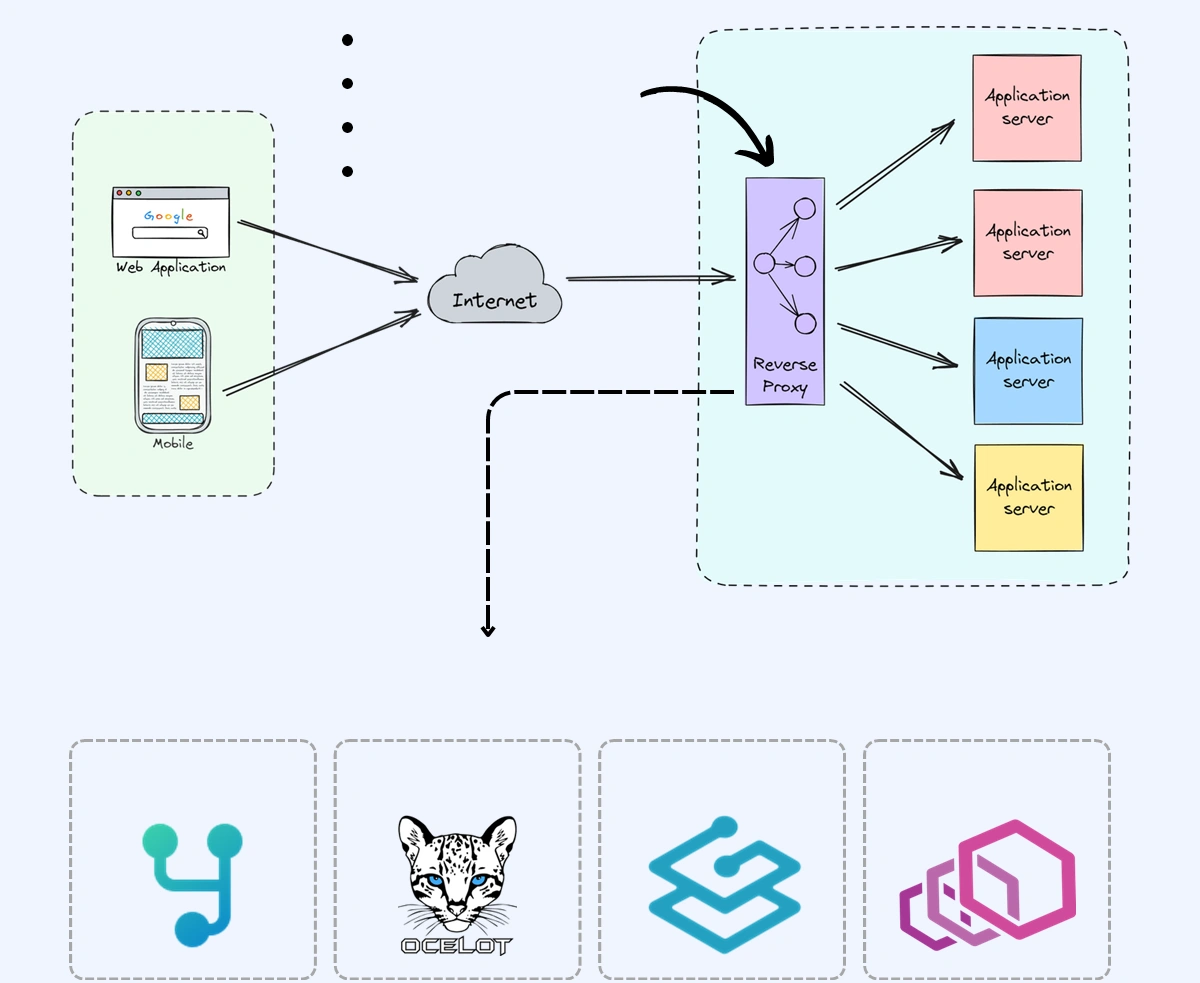
Explain api gateway vs reverse proxy.
+
API gateway manages routing security and monitoring for
APIs; reverse
proxy forwards client requests to servers.
Explain api idempotency vs retry.
+
Idempotency ensures repeated requests have no extra
effect;
retry may
resend requests safely using idempotency keys.
Explain api key authentication.
+
API key authentication uses a unique key provided to
clients
to
access the API.
Explain api load testing.
+
API load testing evaluates performance under heavy usage
to
identify
bottlenecks and ensure scalability.
Explain api mocking vs stubbing.
+
Mocking simulates API behavior for testing; stubbing
provides fixed
responses for predefined inputs.
Explain api monitoring.
+
API monitoring tracks availability performance errors
and
usage
patterns to ensure reliability.
Explain api pagination.
+
Pagination splits large API responses into smaller
manageable chunks
for efficient data transfer.
Explain api request headers.
+
Request headers carry metadata like authentication
tokens
content
type and caching instructions.
Explain api response codes 2xx
+
4xx 5xx. 2xx = success 4xx = client error 5xx = server
error.
Explain api security best practices.
+
Use authentication authorization HTTPS input validation
rate
limiting
and logging to secure APIs.
Explain api testing types.
+
Types include functional performance security
integration
and
contract testing.
Explain api throttling algorithm.
+
Algorithms include fixed window sliding window token
bucket
and leaky
bucket to control request rates.
Explain api versioning strategies.
+
Strategies: URI versioning (/v1/resource) request header
versioning
query parameter versioning (?version=1).
Explain endpoint security.
+
Endpoint security ensures that each API endpoint is
protected using
authentication authorization and encryption.
Explain oauth scopes.
+
OAuth scopes define the permissions and access level
granted
to a
client application.
Explain oauth.
+
OAuth is an authorization framework that allows
third-party
applications limited access to user resources without exposing credentials.
Explain rate limit headers.
+
Rate limit headers indicate remaining requests and reset
time to
clients for API usage management.
Explain rate-limiting vs throttling.
+
Rate-limiting controls API usage over time; throttling
limits request
rate per user or session.
Explain response codes in rest.
+
Common HTTP response codes include 200 (OK) 201
(Created)
400 (Bad
Request) 401 (Unauthorized) 404 (Not Found) 500 (Server Error).
Explain rest api vs graphql.
+
REST uses multiple endpoints for resources; GraphQL uses
a
single
endpoint allowing flexible queries.
Explain rest api vs rpc.
+
REST API is resource-based with standard HTTP methods;
RPC
(Remote
Procedure Call) executes functions/methods on a remote server.
Explain rest constraints.
+
REST constraints include client-server statelessness
cacheability
layered system code-on-demand (optional) and uniform interface.
Explain restful status codes.
+
Status codes indicate API response results: 200 (OK) 201
(Created)
400 (Bad Request) 401 (Unauthorized) 404 (Not Found) 500 (Server Error).
Explain the diffbet put and patch.
+
PUT updates a resource entirely; PATCH updates only
specified fields.
Graphql?
+
GraphQL is a query language for APIs that allows clients
to
request
exactly the data they need.
Hateoas?
+
HATEOAS (Hypermedia as the Engine of Application State)
is a
REST
principle where responses include links to related actions.
Hmac authentication?
+
HMAC authentication uses a hash-based message
authentication
code to
verify request integrity and authenticity.
Http methods used in rest?
+
Common HTTP methods are GET POST PUT DELETE PATCH and
OPTIONS.
Idempotency in apis?
+
Idempotency ensures that multiple identical requests
produce
the same
result without side effects.
Idempotent api method?
+
An idempotent method (GET PUT DELETE) produces the same
result even
if called multiple times.
Jwt?
+
JWT (JSON Web Token) is a compact self-contained token
used
for
securely transmitting information between parties.
Oauth 2.0?
+
OAuth 2.0 is an authorization framework allowing
applications limited
access to user resources.
Oauth refresh token?
+
A refresh token is used to obtain a new access token
without
re-authentication.
Openid connect?
+
OpenID Connect is an authentication layer on top of
OAuth
2.0 for
verifying user identity.
Polling?
+
Polling repeatedly checks an API at intervals to get
updates.
Rate limiting?
+
Rate limiting restricts the number of API requests a
client
can make
in a given time period to prevent abuse.
Rest api documentation?
+
REST API documentation explains endpoints methods
parameters
responses and examples for developers.
Rest client?
+
A REST client sends HTTP requests to REST APIs and
processes
responses.
Rest server?
+
A REST server handles HTTP requests from clients
processes
them and
sends responses.
Rest?
+
REST (Representational State Transfer) is an
architectural
style that
uses HTTP methods and stateless communication.
Restful api resource?
+
A RESTful resource is an identifiable object that can be
accessed and
manipulated via HTTP methods.
Restful resource?
+
A RESTful resource is an object or entity that can be
accessed and
manipulated using HTTP methods.
Soap action?
+
SOAP action specifies the intent of a SOAP HTTP request
for
proper
routing and execution.
Soap envelope?
+
SOAP envelope wraps the XML message to define structure
header and
body for SOAP communication.
Soap fault?
+
SOAP fault is an error message returned by a SOAP API to
indicate
processing issues.
Soap vs rest?
+
SOAP is protocol-based and formal with XML; REST is
architectural
stateless and uses lightweight formats like JSON.
Soap?
+
SOAP (Simple Object Access Protocol) is a protocol for
exchanging
structured XML-based messages over a network.
Statelessness in rest?
+
Statelessness means each request from a client to server
contains all
necessary information without relying on server memory.
Swagger/openapi?
+
Swagger/OpenAPI is a standard framework for documenting
and
testing
RESTful APIs.
Throttling in apis?
+
Throttling limits API usage to control traffic and
prevent
server
overload.
Tools are used for api testing?
+
Common tools include Postman SoapUI JMeter and
RestAssured.
Types of apis?
+
Common types are REST SOAP GraphQL WebSocket and RPC
APIs.
Versioning in rest apis?
+
Versioning ensures backward compatibility when APIs
evolve
using URLs
headers or query parameters.
Webhook?
+
A webhook is an HTTP callback that notifies a client
when an
event
occurs on the server.
Xml vs json in apis?
+
XML is verbose and strict; JSON is lightweight
human-readable and
widely used in REST APIs.